I spent a good stretch of 2021 getting a Tascam 80-8 working and recording music through a Tascam board. Eight tracks of tape, a mixer with a real signal path, and a stack of decisions between the sound in the room and the sound on the reel.
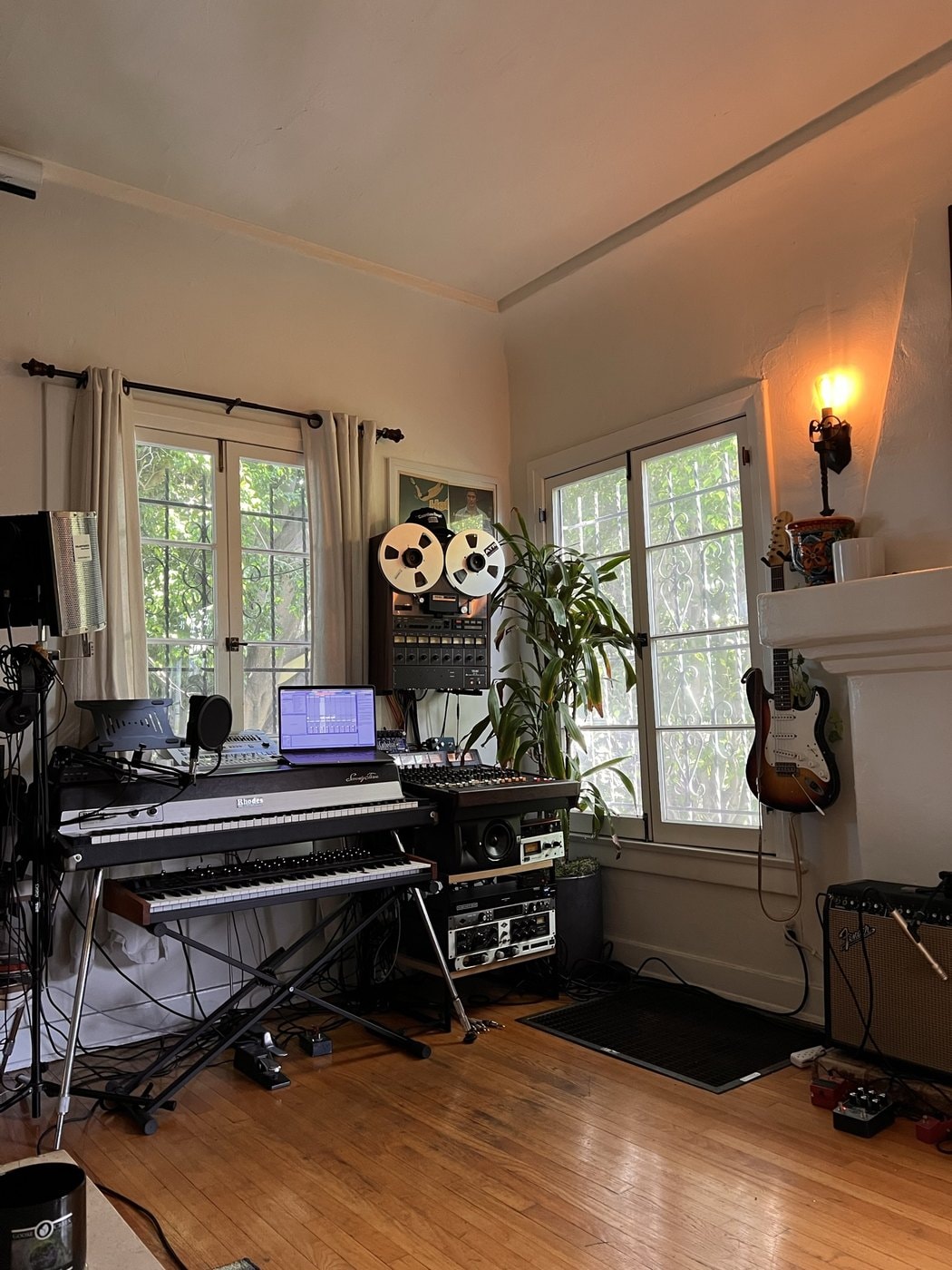
To make it behave I did the thing almost nobody does anymore. I read the manuals. The actual paper ones, slowly, with a pencil, no model in a tab to summarize them for me. Alignment, bias, levels, the order you are supposed to do things in and the reasons that order is not optional. It was the first time in a while I learned something the long way, and it changed how the thing felt in my hands.
Here is the one I read, if you want to read it the way I did.
If the viewer above does not load, the same manual lives on ManualsLib and HiFi Engine.
Engineering is systems thinking with consequences
Here is what the manuals were really teaching, under the procedures. Audio engineering is systems thinking. Signal flows from one place to the next, and at every node you make a choice that changes everything downstream. Gain at the input sets what the tape can hear. Bias on the tape sets what survives. A decision at the board three steps back shows up as noise or as air at the very end, and you cannot patch it later. The whole desk is a graph, and the signal is a path through it.
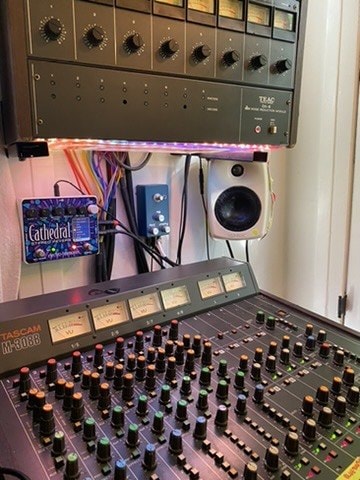
What makes it stick is that the system answers you immediately and physically. This is the part software keeps trying to remove. Undo, presets, a recall of every setting. The tape gives you none of it, and the lack is exactly why you learn. Set the bias wrong and you hear it. Stage the gain wrong and the meter tells you before your ears do. There is no abstraction layer between the choice and the result, so you build a real model of cause and effect instead of a vague one. I have read a hundred essays about systems thinking. A weekend of aligning tape taught me more than any of them, because the system charged me for every mistake on the spot.
The part I did not expect
I assumed all this would make the music better. It is satisfying to run a clean signal path. It is genuinely meditative to set a machine up right and watch the meters sit where they should. For a while I confused that satisfaction for the work.
It was not the work. The song did not get better because the bias was set correctly. A take that meant something meant it through a misaligned head and a noisy preamp just as much as through a perfect chain. The craft of the system and the act of making something true are two different things, and I had quietly let the first stand in for the second because the first has knobs and a manual and a right answer.
So I will say the unglamorous thing. The Tascam was satisfying, even clarifying, and it was not essential to the creative process. Mastery of the desk is its own pleasure. It is not a prerequisite for the thing you are actually there to do. The reel does not know whether the idea was any good. That part is still on you, and no system, tape or otherwise, will set it for you.
I kept the machine. I just stopped pretending the machine was the point.